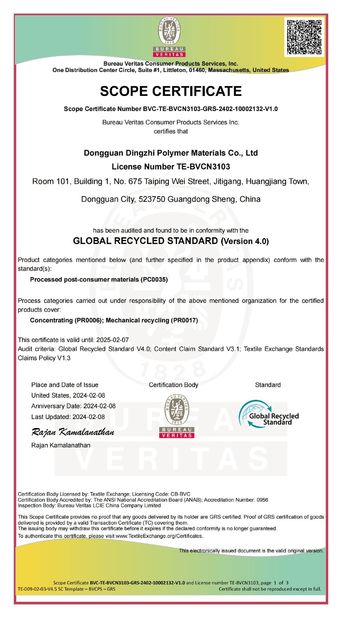
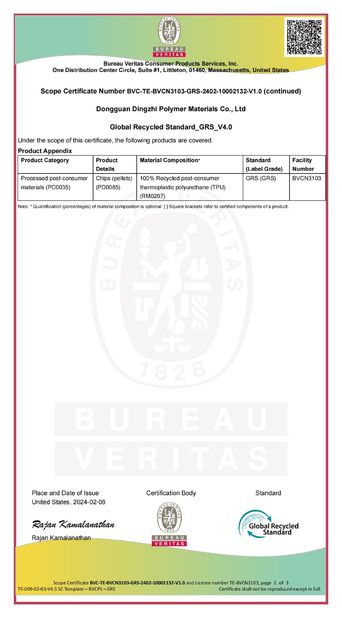
Imagine products that combine exceptional quality with environmental responsibility while gaining unrestricted access to global markets. This vision becomes reality through Global Recycled Standard (GRS) certification, a verification system that helps recycled products shine on the international stage.
GRS Certification: More Than a Label
The Global Recycled Standard represents a commitment to environmental and social responsibility. It ensures products meet rigorous sustainability criteria throughout their entire production chain—from recycled material sourcing to final product delivery. GRS certification serves as tangible proof of a company's dedication to sustainable development.
Core Values of GRS Certification:
-
Environmental impact reduction:
Significantly decreases production's negative environmental effects through pollution control and resource conservation.
-
Product durability:
Requires higher quality standards to extend product lifecycles and reduce waste.
-
Recycled content verification:
Ensures products contain substantial recycled materials to promote circular economy principles.
-
Responsible production:
Mandates compliance with labor and social standards to protect worker rights.
-
Material traceability:
Provides reliable documentation of recycled material origins to prevent false claims.
-
Supply chain transparency:
Establishes comprehensive tracking systems for consumer confidence.
-
Information disclosure:
Encourages open communication about production processes and practices.
-
Stakeholder engagement:
Promotes collaborative efforts toward sustainable development goals.
Eligibility for GRS Certification
GRS certification applies to any product containing at least 20% recycled materials. The program welcomes applications from recyclers, manufacturers of semi-finished or finished goods, distributors, and brands committed to responsible production practices. Industries particularly suited for GRS certification include:
Textile Sector
The standard covers all textile production phases—from recycling and spinning to knitting, printing, sewing, and dyeing—helping manufacturers develop environmentally friendly textile products.
Plastics Industry
GRS certification spans mechanical and chemical recycling processes including grinding, extrusion, molding, and forming, advancing plastic circularity while reducing pollution.
Cosmetics and Food Packaging
Companies using recycled packaging materials can enhance brand perception and consumer appeal through GRS certification.
Understanding GRS Certification Requirements
The certification process evaluates several key aspects of production:
Material Scope
GRS applies to diverse recycled materials including textiles (recycled cotton, polyester, nylon), plastics (rPET, rHDPE, rPP), glass, leather scraps, and metals (aluminum, steel, copper). The standard certifies both final products and intermediate materials like recycled fibers or pellets.
Certification Standards
Requirements include minimum recycled content thresholds (typically 20%), complete supply chain traceability, environmental management systems, social responsibility compliance, and strict chemical management protocols.
Certification Process
The evaluation involves application submission, documentation review, on-site audits, corrective actions for non-compliance, certification issuance, and annual surveillance audits to maintain compliance.
Business Benefits
GRS certification enhances brand reputation, improves market competitiveness, facilitates international trade, mitigates environmental risks, and can increase operational efficiency through optimized processes.
The Future of Sustainable Certification
As global awareness of environmental issues grows, standards like GRS provide measurable frameworks for responsible production. The certification represents more than regulatory compliance—it reflects a fundamental shift toward circular economic models that prioritize resource conservation and ethical business practices.


 Your message must be between 20-3,000 characters!
 English