logo
Home

blog about TPU Vs PU Key Differences in Shoe Sole Materials

Certification
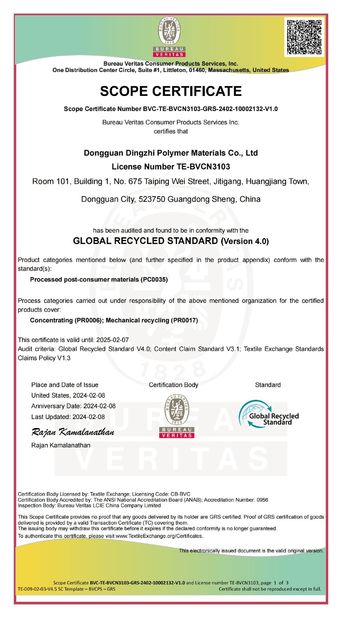
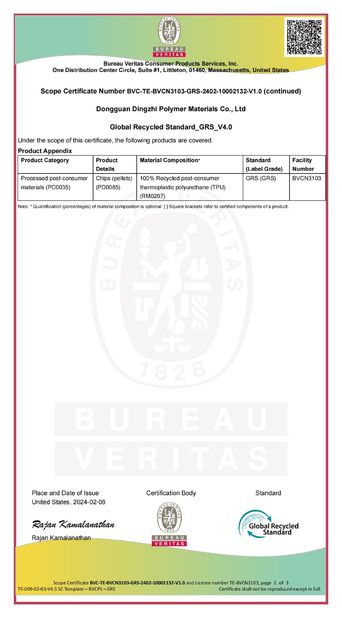
china Dongguan Dingzhi polymer materials Co., LTD certification
I'm Online Chat Now
Company Blog
TPU Vs PU Key Differences in Shoe Sole Materials
Latest company news about TPU Vs PU Key Differences in Shoe Sole Materials

Beneath every step we take lies an engineering marvel that rarely gets attention—the shoe sole. This unassuming component carries our weight, absorbs impact, provides traction, and protects our feet. The choice of sole material directly affects comfort, durability, and even athletic performance.

The Polyurethane Twins: TPU and PU

Two materials dominate modern sole construction: Thermoplastic Polyurethane (TPU) and Polyurethane (PU). Though both belong to the polyurethane family, their molecular structures create distinct performance characteristics.

The key difference lies in their thermal properties:

  • TPU (Thermoplastic): Like chocolate that can be repeatedly melted and reshaped, TPU softens when heated and hardens when cooled, allowing for recycling.
  • PU (Thermoset): Similar to a boiled egg, PU undergoes irreversible chemical changes when heated, making it durable but non-recyclable.
TPU: The Performance Powerhouse

TPU soles excel in demanding applications due to:

  • Exceptional Wear Resistance: Outperforms most materials in abrasion tests, ideal for hiking boots and work shoes.
  • Cold Flexibility: Maintains elasticity in subzero temperatures where other materials become brittle.
  • Chemical Resistance: Withstands exposure to oils, solvents, and industrial chemicals.
  • Design Versatility: Can be injection-molded into complex tread patterns and customized hardness levels.
PU: The Comfort Specialist

PU dominates where comfort and weight matter most:

  • Superior Cushioning: Absorbs impact better than TPU, making it preferred for running shoes.
  • Lightweight Construction: Reduces fatigue during extended wear.
  • Weather Resistance: Performs consistently across temperature variations.
  • Cost Efficiency: Generally more economical for mass production.
Choosing Between TPU and PU

Material selection depends on application:

  • Performance Footwear: TPU excels in work boots, cleats, and winter gear where durability is paramount.
  • Comfort Footwear: PU dominates in casual shoes, sneakers, and orthopedics where cushioning matters most.
  • Hybrid Solutions: Many premium shoes combine TPU outsoles with PU midsoles for balanced performance.
The Future of Sole Materials

Sustainability drives innovation, with manufacturers developing bio-based polyurethanes and improved recycling methods for both TPU and PU. The industry is moving toward materials that maintain performance while reducing environmental impact.

Understanding these material differences empowers both manufacturers and consumers to make informed decisions about footwear that meets specific needs—whether prioritizing longevity, comfort, or specialized performance characteristics.

Pub Time : 2026-02-05 00:00:00 >> Blog list
Contact Details
Dongguan Dingzhi polymer materials Co., LTD

Contact Person: Ms. Chen

Tel: +86-13510209426

Send your inquiry directly to us (0 / 3000)