logo
Home

blog about TPU Vs PU Films Key Differences and Industrial Uses

Certification
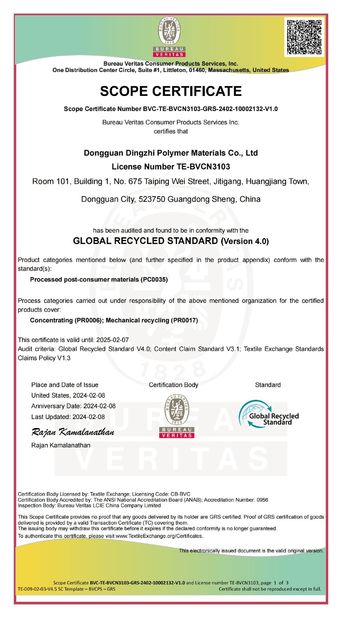
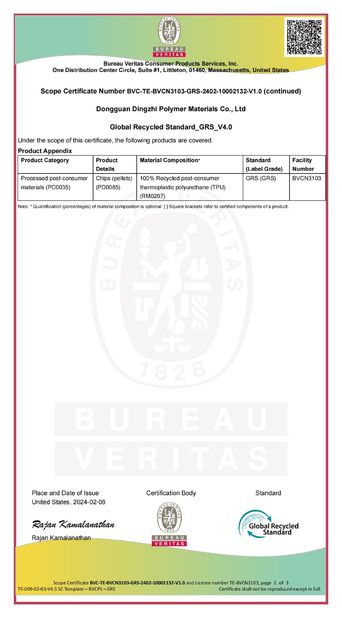
China Dongguan Dingzhi polymer materials Co., LTD certification
I'm Online Chat Now
Company Blog
TPU Vs PU Films Key Differences and Industrial Uses
Latest company news about TPU Vs PU Films Key Differences and Industrial Uses

In modern industry and technology, high-performance film materials play a crucial role. They are not only key to enhancing product performance but also drivers of technological innovation. Among these materials, thermoplastic polyurethane (TPU) and polyurethane (PU) films have garnered widespread attention and application due to their unique physical and chemical properties. Despite their similar names, they exhibit significant differences in performance, application areas, and processing techniques. This article provides an in-depth analysis of TPU and PU films, exploring their characteristics, applications, and future trends to help readers make informed material selection decisions.

Chapter 1: Overview of High-Performance Film Materials

1.1 Definition and Classification of Film Materials

Film materials refer to thin layers with thickness ranging from nanometers to micrometers. Based on composition and structure, they can be categorized into:

  • Metal Films: Composed of metallic elements or alloys, offering excellent conductivity, thermal conductivity, and optical reflectivity.
  • Ceramic Films: Made from ceramic materials, featuring high hardness, wear resistance, corrosion resistance, and thermal stability.
  • Polymer Films: Constructed from polymeric materials, known for flexibility, processability, and insulation properties.
  • Composite Films: Formed by combining two or more materials, delivering integrated performance advantages.

1.2 Characteristics of High-Performance Film Materials

High-performance film materials excel in specific applications, distinguished by:

  • Superior Physical Properties: High strength, modulus, wear resistance, corrosion resistance, and light transmittance.
  • Excellent Chemical Properties: Chemical stability, solvent resistance, and oxidation resistance.
  • Functional Attributes: Conductivity, thermal conductivity, piezoelectricity, and photoelectricity.
  • Processing Advantages: Ease of molding, coating, and compositing.

1.3 Applications of High-Performance Film Materials

These materials are widely used across industries, including:

  • Electronics: Integrated circuits, displays, sensors, and solar cells.
  • Automotive: Interior and exterior components, coatings.
  • Aerospace: Aircraft coatings, satellite layers, and rocket propellants.
  • Medical Devices: Artificial organs, wound dressings, and drug delivery systems.
  • Textiles: Functional apparel, sportswear, and protective clothing.
  • Packaging: Food, pharmaceutical, and electronics packaging.

Chapter 2: TPU Films – The Perfect Blend of Flexibility and Durability

2.1 Definition and Classification of TPU

Thermoplastic polyurethane (TPU) combines rubber-like elasticity with plastic-like strength. It is a block copolymer formed by reacting diisocyanate, polyol, and chain extenders. TPU is classified by:

  • Hardness: Soft, medium, or hard TPU for varying flexibility and strength needs.
  • Molecular Structure: Polyester (oil/solvent-resistant), polyether (hydrolysis/low-temperature resistant), or polycaprolactone (biocompatible/biodegradable).
  • Applications: Footwear, films, cables, and automotive parts.

2.2 Manufacturing Processes

TPU films are produced via:

  • Extrusion: Melting and shaping TPU resin for high-volume production.
  • Casting: Dissolving TPU in solvent and evaporating to form smooth, uniform films.
  • Calendering: Pressing softened TPU into thicker films for high-strength applications.

2.3 Core Properties

TPU films stand out due to their:

  • Exceptional Flexibility: Adapts to complex shapes and dynamic movements.
  • Outstanding Durability: Resists wear, tearing, and puncturing.
  • High Transparency: Ideal for optical clarity in displays and protective films.
  • Elastic Recovery: Quickly returns to original shape after deformation.
  • Chemical/Oil Resistance: Withstands harsh environments, especially polyester-based TPU.
  • Biocompatibility: Safe for medical implants and devices.

2.4 Applications

TPU films are used in:

  • Textiles: Waterproof, breathable fabrics for outdoor gear.
  • Automotive: Durable seat covers and airbags.
  • Electronics: Protective layers against moisture, dust, and shocks.
  • Medical: Wound dressings and surgical drapes.
  • Sports Equipment: Enhances durability in balls and protective gear.

2.5 Future Trends

Advancements focus on:

  • Higher Performance: Improved strength, wear resistance, and biocompatibility.
  • Multifunctionality: Adding antimicrobial, conductive, or self-healing properties.
  • Sustainability: Bio-based and biodegradable TPU alternatives.
  • Smart Integration: Combining with sensors for smart textiles and medical devices.

Chapter 3: PU Films – The Art of Elasticity and Adhesion

3.1 Definition and Classification of PU

Polyurethane (PU) is a versatile material formed by reacting isocyanates with polyols. It can be tailored into:

  • Elastomers: Rubber-like elasticity for flexible parts.
  • Foams: Lightweight insulation and cushioning.
  • Coatings/Adhesives: Protective layers and bonding solutions.

3.2 Manufacturing Processes

PU films are made through:

  • Casting: Solvent-based for smooth, precise films.
  • Extrusion: Cost-effective for large-scale production.
  • Coating: Applied to substrates for specialized functions.

3.3 Key Properties

PU films excel in:

  • Elasticity: Withstands significant deformation without breaking.
  • Adhesion: Some variants bond well to diverse materials.
  • Versatility: Tunable softness, hardness, and stretchability.
  • Sound Damping: Reduces noise in automotive and industrial settings.
  • Weather Resistance: Suitable for outdoor use with proper additives.

3.4 Applications

PU films serve in:

  • Automotive: Interior trims, gaskets, and seals.
  • Footwear: Comfortable, long-lasting soles and uppers.
  • Packaging: Flexible wraps for food and pharmaceuticals.
  • Industrial: Seals, gaskets, and protective covers.
  • Decor: Laminates for furniture and interiors.

3.5 Future Trends

Innovations include:

  • Eco-Friendly PU: Bio-based and recyclable formulations.
  • Enhanced Functions: Flame retardancy, static control, etc.
  • Smart Features: Embedded sensors for interactive packaging.
  • Performance Boost: Better durability and chemical resistance.

Chapter 4: TPU vs. PU – The Choice Intelligence

4.1 Performance Comparison

Property TPU PU
Flexibility Superior; adapts to dynamic movements Good; rubber-like elasticity
Durability Exceptional wear/tear resistance Good, but generally less than TPU
Transparency High clarity in some grades Adjustable, usually lower than TPU
Chemical Resistance Excellent against oils/solvents Good; depends on formulation
Cost Higher Lower

4.2 Selection Criteria

Consider:

  • Application Needs: Prioritize TPU for harsh environments or PU for elasticity.
  • Budget: PU is more cost-effective for less demanding uses.
  • Sustainability: Opt for bio-based or recyclable variants where possible.

4.3 Case Studies

  • Sports Shoes: PU elastomers for durable, flexible soles.
  • Medical Catheters: Biocompatible TPU for safe patient use.
  • Car Interiors: TPU for high-wear areas; PU for cushioned surfaces.

Chapter 5: Conclusion and Outlook

TPU and PU films are indispensable in modern technology, each excelling in specific domains. TPU’s robustness suits demanding applications, while PU’s adaptability serves diverse industries. Future advancements will emphasize sustainability, smart features, and enhanced performance, broadening their impact across sectors. By understanding their distinct properties, manufacturers can harness these materials’ full potential to innovate and improve product designs.

Pub Time : 2026-06-07 00:00:00 >> Blog list
Contact Details
Dongguan Dingzhi polymer materials Co., LTD

Contact Person: Ms. Chen

Tel: +86-13510209426

Send your inquiry directly to us (0 / 3000)