In the era of smartphones, iPhones stand out as premium devices renowned for their performance, elegant design, and robust ecosystem. However, their high cost and delicate internal components make them vulnerable to damage from drops, scratches, and impacts. Selecting an appropriate case provides essential protection while allowing users to express personal style.
The market offers an overwhelming variety of cases, with thermoplastic polyurethane (TPU) and plastic emerging as two primary options. This analysis examines their characteristics, advantages, disadvantages, and ideal use cases to guide consumers in choosing optimal protection for their devices.
Smartphone Case Market Overview
Market Growth and Key Players
The global smartphone case industry has expanded alongside device sales, now representing a multibillion-dollar segment. Three primary groups dominate the market:
-
Device manufacturers offering official cases
-
Third-party accessory producers specializing in diverse materials and designs
-
E-commerce platforms serving as primary distribution channels
Current Market Trends
Several notable trends are shaping case development:
-
Material diversification beyond TPU and plastic to include leather, metal, and silicone
-
Integration of additional functions like card holders and stands
-
Growing demand for personalized customization options
-
Increased emphasis on sustainable materials and production methods
TPU Cases: Technical Analysis
Material Properties
Thermoplastic polyurethane combines rubber-like elasticity with plastic-like durability, offering:
-
High elasticity and tensile strength
-
Exceptional resistance to abrasion and chemicals
-
Comfortable, non-slip surface texture
-
Strong molding capabilities for diverse designs
Advantages
-
Superior shock absorption from drops
-
Enhanced grip and comfortable handling
-
Resistance to scratches and daily wear
-
Easy installation without damaging devices
-
Competitive pricing relative to protection level
Limitations
-
Fewer color and design options compared to plastic
-
Potential yellowing with prolonged UV exposure
-
Reduced heat dissipation during extended use
Plastic Cases: Technical Analysis
Material Properties
Plastic polymers provide:
-
Lightweight construction
-
High rigidity and structural integrity
-
Exceptional molding versatility
-
Chemical and electrical resistance
-
Cost-efficient production
Advantages
-
Slim profiles showcasing device aesthetics
-
Extensive design and color options
-
Affordable pricing
-
Easy cleaning and maintenance
Limitations
-
Reduced impact protection compared to TPU
-
Prone to visible scratches
-
Less comfortable grip
-
Lower environmental sustainability for certain variants
Comparative Evaluation
Durability
TPU cases demonstrate superior shock absorption and scratch resistance, making them ideal for accident-prone users. Plastic cases offer adequate protection against minor impacts but may crack under significant stress.
Style Options
Plastic cases provide greater design flexibility with diverse colors, patterns, and textures. TPU cases typically feature more conservative styling.
Functional Attributes
TPU excels in grip security and handling comfort, while plastic maintains device slimness and lightness.
Environmental Impact
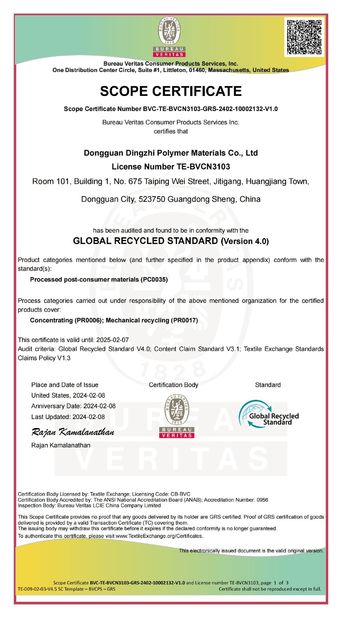
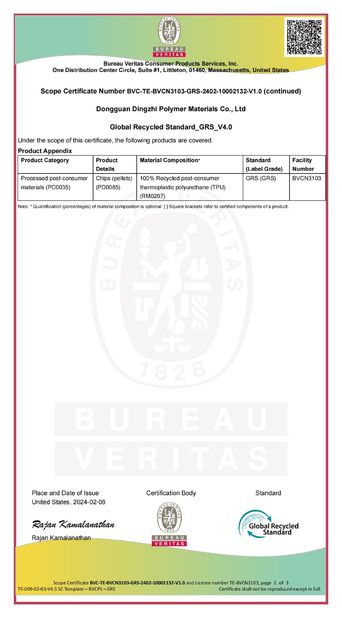
Certain TPU formulations offer better recyclability compared to conventional plastics.
Selection Guidelines
Consumers should prioritize based on individual needs:
-
Frequent droppers require TPU's shock absorption
-
Style-focused users may prefer plastic's design variety
-
Those valuing grip and comfort should consider TPU
-
Budget-conscious buyers can find quality options in both materials
Quality manufacturing standards significantly affect performance regardless of material choice. Reputable brands typically use superior formulations and precise construction techniques to optimize protection.


 Your message must be between 20-3,000 characters!
 English