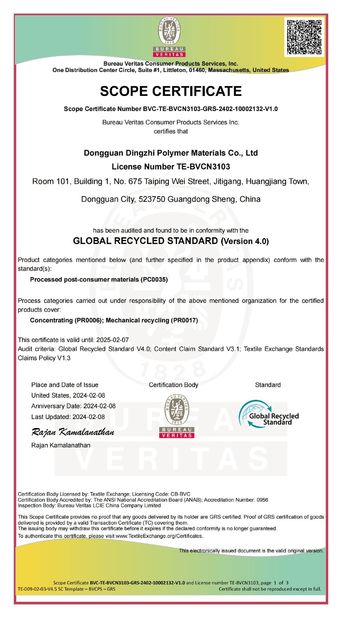
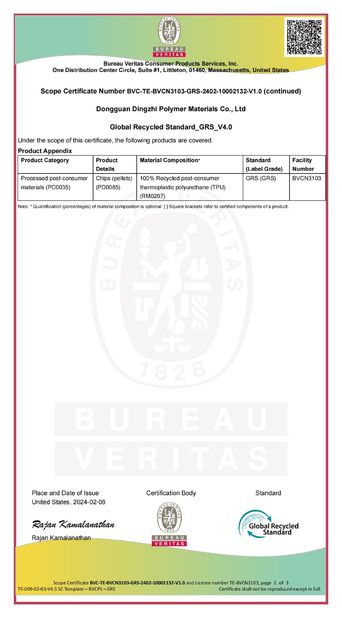
In the vast universe of industrial manufacturing, certain materials stand out like "transformers" - versatile substances with remarkable properties that adapt to diverse applications. One such multifaceted material is Thermoplastic Polyurethane (TPU), which combines the flexibility of rubber with the durability of plastic. But where exactly does TPU demonstrate its true value as an engineer's secret weapon?
TPU: More Than Just "Soft Plastic"
TPU, short for Thermoplastic Polyurethane, occupies a unique position between rubber and plastic. Far from being merely "soft plastic," it represents a high-performance polymer with exceptional physical properties and broad application potential. With a typical Shore hardness ranging between 85A-95A, TPU offers an ideal balance of rigidity and flexibility - the key to its widespread industrial adoption.
TPU's Remarkable Properties
TPU's popularity stems from its impressive array of characteristics:
-
Flexibility and Elasticity:
TPU excels in applications requiring deformation, withstanding bending, twisting, and stretching without breaking.
-
Tensile Strength:
Its high resistance to stretching makes TPU ideal for load-bearing applications.
-
Abrasion Resistance:
Superior wear resistance ensures durability in high-friction environments.
-
Impact Resistance:
Effective energy absorption protects components in applications like electronic cases and automotive buffers.
-
Chemical Resistance:
Maintains stability when exposed to oils, greases, and various solvents.
-
Low-Temperature Performance:
Retains flexibility in cold environments without becoming brittle.
-
Hydrolysis Resistance:
Certain TPU types resist water degradation for aquatic or high-humidity applications.
-
Electrical Insulation:
Some variants offer excellent insulation properties for electronics.
The Three Branches of TPU
TPU comes in three primary formulations, each with distinct characteristics:
-
Polyester-based TPU:
Offers high mechanical strength, exceptional wear and chemical resistance - ideal for industrial applications and footwear.
-
Polyether-based TPU:
Excels in low-temperature environments with good hydrolysis resistance, perfect for medical devices, automotive components, and underwater applications.
-
Polycaprolactone-based TPU:
Features biodegradability and lower melting points, making it suitable for 3D printing and medical implants.
Enhancing TPU Through Post-Processing
Various techniques can improve TPU components:
-
Annealing:
Heating below melting point then slow cooling increases strength while reducing warping.
-
Sanding:
Creates smoother surfaces by removing layer lines and imperfections.
-
Chemical Polishing:
Solvents like IPA or THF produce glossy finishes.
-
Coating:
Enhances durability, water resistance, and UV protection.
Design Considerations for TPU Components
Key factors for optimal TPU part design:
-
Account for shrinkage during cooling
-
Optimize wall thickness for strength-flexibility balance
-
Incorporate rounded edges to distribute stress
-
Include draft angles for easier mold release
-
Minimize undercuts when possible
-
Consider overmolding for integrated soft-touch surfaces
TPU's Diverse Applications
TPU's unique properties enable widespread use across industries:
-
Automotive and industrial seals, gaskets, and O-rings
-
Protective cases for electronics and consumer goods
-
Medical and industrial tubing
-
Impact-absorbing buffers for tools and devices
-
Cushioning components in footwear and vehicles
-
Protective padding for sports and safety equipment
-
Conveyor belts and industrial rollers
-
Ergonomic grips and handles
-
Medical devices including catheters and prosthetics
-
3D printed prototypes and custom orthotics
Frequently Asked Questions
-
Is TPU sterilizable?
Yes, through methods like autoclaving for medical use.
-
What's TPU's glass transition temperature?
Typically between -30°C to -50°C.
-
What are TPU's printing temperatures?
Generally 200-230°C (nozzle) and 40-60°C (bed).
-
How does TPU compare to other flexible materials?
It offers superior wear resistance, flexibility, and chemical stability.
Conclusion
As a versatile thermoplastic elastomer, TPU has become indispensable in modern manufacturing. Whether the application demands elasticity, durability, impact resistance, or chemical stability, TPU delivers reliable performance. For engineers and designers seeking multifunctional materials, TPU represents an increasingly compelling solution.


 Your message must be between 20-3,000 characters!
 English