logo
Home

blog about TPU Hot Melt Adhesive Fuels Industrial Efficiency Upgrades

Certification
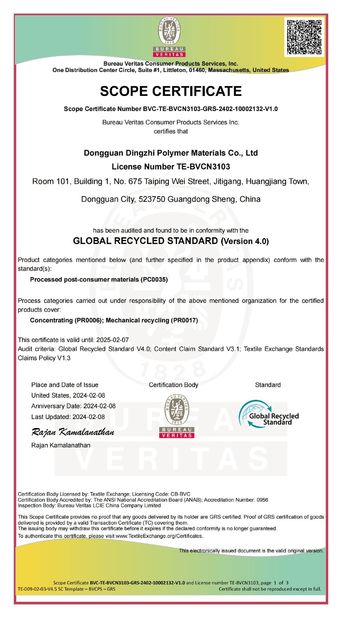
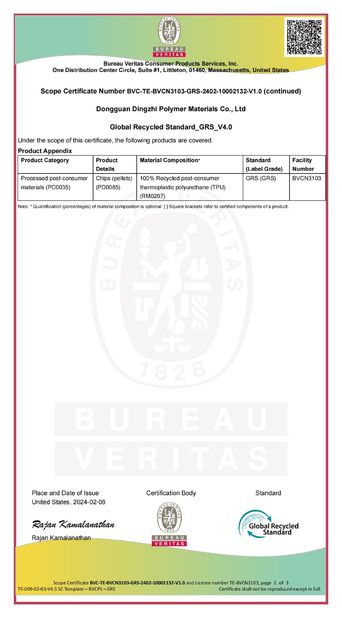
China Dongguan Dingzhi polymer materials Co., LTD certification
I'm Online Chat Now
Company Blog
TPU Hot Melt Adhesive Fuels Industrial Efficiency Upgrades
Latest company news about TPU Hot Melt Adhesive Fuels Industrial Efficiency Upgrades

Imagine achieving strong bonding without complex solvents—just through heating, pressurizing, and cooling within minutes. This is the efficiency offered by TPU (Thermoplastic Polyurethane) hot melt adhesives. As environmental regulations become stricter and production efficiency demands increase, the limitations of traditional solvent-based adhesives are becoming more apparent. TPU hot melt adhesives are emerging as a new choice across industries, offering both environmental benefits and high performance.

What Are TPU Hot Melt Adhesives?

TPU hot melt adhesives are solid thermoplastic bonding agents that melt into liquid form when heated. They are applied to material surfaces through coating or film lamination, then quickly bond through pressurization and cooling. Unlike solvent-based adhesives, TPU hot melts contain no volatile organic compounds (VOCs), making them significantly more environmentally friendly. Additionally, since no solvent evaporation is required, bonding occurs faster, dramatically improving production efficiency.

Key Advantages of TPU Hot Melt Adhesives
  • Environmental Sustainability: Solvent-free formulation reduces VOC emissions, helping manufacturers comply with environmental regulations and achieve greener production.
  • High Efficiency: Rapid curing shortens production cycles, boosts output, and reduces labor costs.
  • Versatility: Excellent flow properties and controllable viscosity make them suitable for various coating and lamination processes. Low melting points minimize thermal damage to substrates.
  • Strong Bonding Performance: Provides excellent adhesion to diverse materials including fabrics, TPU, PVC, and leather, ensuring product durability.
  • Process Adaptability: Easy to handle and compatible with different production equipment and techniques.
Applications Across Industries

TPU hot melt adhesives demonstrate broad potential in multiple sectors:

  • Hot Melt Films: Used for seamless bonding in apparel, footwear, and luggage manufacturing, creating lighter, more comfortable products.
  • Sealing Tapes: Provides reliable protection and waterproofing in packaging, electronics, and automotive applications.
  • Low-Temperature Chemical Films: Ideal for specialized bonding in medical and electronic fields.
  • Seamless Decorative Components: Enables rapid production of customized designs for fashion and footwear.
  • Textile Lamination: Enhances performance and value in clothing and home textiles.
  • Automotive Manufacturing: Improves comfort and safety in vehicle interiors and seals.
  • Footwear Industry: Strengthens critical areas like shoe collars and stiffeners while maintaining comfort.
Performance Specifications

Critical metrics for TPU hot melt adhesives include:

  • Flow Characteristics: Ensures even coating and optimal substrate wetting.
  • Viscosity Control: Adaptable to various application methods and equipment.
  • Melting Point: Lower temperatures expand material compatibility.
  • Bond Strength: Directly impacts product quality and lifespan across different materials.
Conclusion

TPU hot melt adhesives represent a transformative advancement in sustainable, high-performance bonding solutions. As environmental awareness grows and production efficiency remains paramount, their adoption will continue expanding across industries. Manufacturers should monitor technological developments in TPU adhesives to select optimal formulations that enhance product quality while supporting sustainable operations.

Pub Time : 2026-07-19 00:00:00 >> Blog list
Contact Details
Dongguan Dingzhi polymer materials Co., LTD

Contact Person: Ms. Chen

Tel: +86-13510209426

Send your inquiry directly to us (0 / 3000)