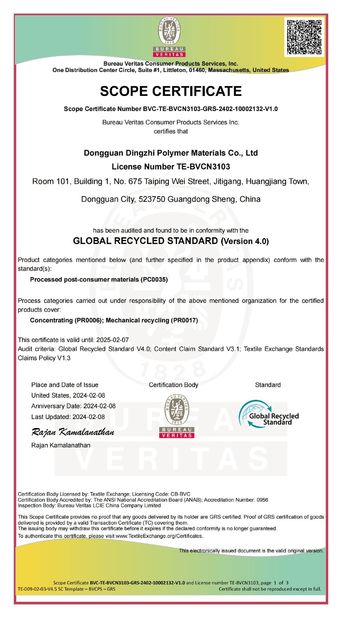
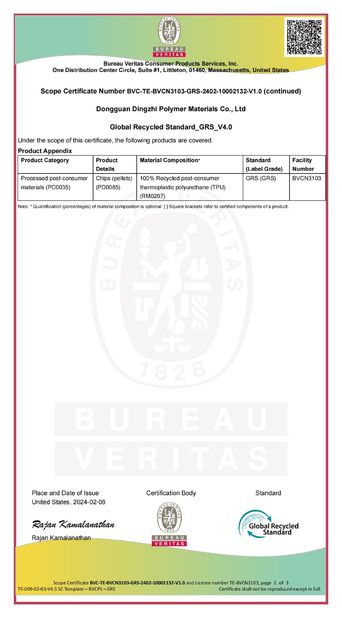
Thermoplastic Polyurethane (TPU) has emerged as a versatile material in the 3D printing industry, combining the best properties of plastics and rubbers. This flexible yet durable material has found applications ranging from footwear to medical devices, though working with it requires specialized knowledge.
Understanding TPU: A Hybrid Material
TPU stands for Thermoplastic Polyurethane Elastomer, a material that combines three key characteristics:
-
Thermoplastic:
Can be repeatedly melted and solidified without chemical degradation
-
Polyurethane:
A polymer formed from isocyanate and polyol reactions, allowing customizable properties
-
Elastomer:
Exhibits rubber-like elasticity with excellent deformation recovery
This unique combination gives TPU distinct advantages over traditional materials:
-
Compared to plastics: Superior flexibility, elasticity, and wear resistance
-
Compared to rubber: Better processing capabilities, chemical resistance, and oil resistance
Why TPU Excels in 3D Printing
1. Exceptional Flexibility and Elasticity
TPU can withstand significant stretching and bending while maintaining its original properties, making it ideal for products like phone cases and watch bands.
2. Impact Absorption and Vibration Damping
The material serves as an effective shock absorber, protecting delicate components in applications from sports equipment to protective gear.
3. Chemical and Wear Resistance
TPU demonstrates resilience against oils, acids, and abrasion, suitable for industrial components and automotive parts.
4. Customization Potential
Manufacturers can adjust hardness, color, and transparency to meet specific application requirements.
5. Minimal Shrinkage
Low shrinkage rates during printing result in dimensionally accurate parts with reduced warping.
Challenges in TPU 3D Printing
-
Printing complexity:
Softness leads to potential deformation during printing
-
Moisture sensitivity:
Requires thorough drying before use to prevent printing defects
-
Adhesion issues:
Poor bonding with other materials necessitates special adhesives
Printing Methodologies: FDM vs. SLA
Fused Deposition Modeling (FDM)
This cost-effective method suits larger parts but produces rougher surfaces with lower precision.
Stereolithography (SLA)
Delivers superior surface finish and detail resolution at higher costs, with size limitations.
TPU Filament Varieties
-
Aliphatic TPU:
UV-resistant for outdoor applications
-
Aromatic TPU:
Chemical and microbial resistant for medical uses
-
Polyester TPU:
Oil-resistant for automotive components
-
Polyether TPU:
Cold-flexible for low-temperature environments
Applications Across Industries
-
Flexible components (seals, gaskets, tubing)
-
Impact-resistant products (protective cases, shoe soles)
-
Wearable technology (smartwatch bands, fitness trackers)
-
Medical devices (catheters, respiratory equipment)
-
Custom consumer goods (personalized phone cases, toys)
Future Developments
-
Advanced material formulations with enhanced properties
-
Improved printing techniques for efficiency and quality
-
Expansion into aerospace, automotive, and healthcare sectors
Technical Considerations
-
Stringing:
Adjust temperature, retraction, and speed
-
Warping:
Optimize bed temperature and first layer settings
-
Softness:
Select higher hardness filaments
-
Surface finish:
Modify layer height and nozzle size
As 3D printing technology advances, TPU continues demonstrating its value as a material that bridges the gap between rigid plastics and flexible rubbers. Its unique combination of properties positions it for continued growth across multiple industries, offering designers and engineers new possibilities for innovative product development.


 Your message must be between 20-3,000 characters!
 English