logo
Home

blog about Thermoplastic Copolyester Elastomer Gains Traction in Engineering

Certification
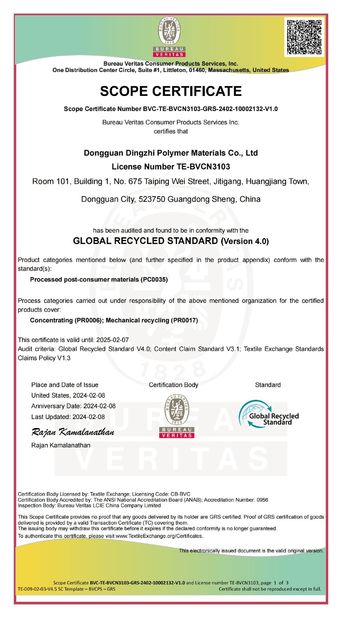
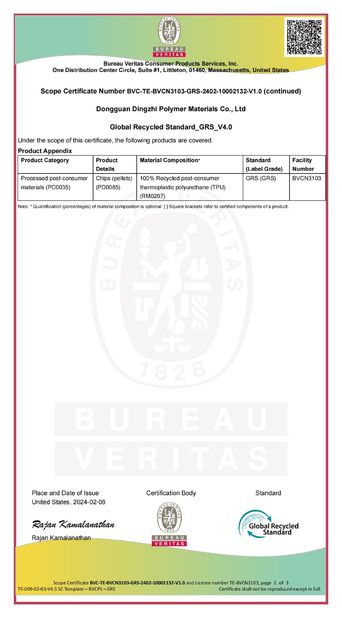
China Dongguan Dingzhi polymer materials Co., LTD certification
I'm Online Chat Now
Company Blog
Thermoplastic Copolyester Elastomer Gains Traction in Engineering
Latest company news about Thermoplastic Copolyester Elastomer Gains Traction in Engineering

Imagine a material that combines the elasticity of rubber with the strength and processability of engineering plastics, while maintaining stability in extreme temperatures and harsh chemical environments. Thermoplastic Copolyester Elastomer (TPC) is precisely this remarkable material, skillfully blending the advantages of thermoset rubber and engineering plastics to deliver revolutionary solutions across various applications.

Definition and Overview

Thermoplastic Copolyester Elastomer (TPC) is a high-performance member of the thermoplastic elastomer (TPE) family, belonging to the polyester elastomer group. It consists of hard segments (typically crystalline polyester) and soft segments (usually amorphous polyether or polyester) connected through copolymerization. The hard segments provide strength, rigidity, and heat resistance, while the soft segments impart elasticity and flexibility. TPC combines the easy processability of thermoplastics with the elasticity of rubber, making it an exceptionally versatile material.

Key Properties

TPC exhibits several outstanding characteristics:

  • Excellent Elastic Recovery: TPC can withstand moderate tensile deformation and quickly returns to near-original shape when force is removed, extending product lifespan and expanding physical performance range.
  • Superior Temperature Resistance: TPC maintains stable physical and chemical properties across a wide temperature spectrum, performing reliably in both high and low temperature environments.
  • Strong Chemical Resistance: The material resists degradation from various chemicals including oils, solvents, acids, and bases, ensuring reliable operation in harsh conditions.
  • Outstanding Wear Resistance: TPC demonstrates excellent abrasion resistance, enduring prolonged friction and wear, making it ideal for high-wear applications.
  • Good Impact Strength: The material maintains strong impact resistance even at low temperatures, resisting brittle fracture.
  • Exceptional Flex Fatigue Performance: TPC withstands repeated bending and deformation without fatigue failure, suitable for dynamic load applications.
  • Processability: TPC can be formed using various thermoplastic processing methods like injection molding, extrusion, and blow molding, offering high production efficiency and relatively low costs.
Synthesis and Modification

TPC is typically synthesized through melt polycondensation, copolymerizing diacids (like terephthalic acid) and diols (such as ethylene glycol or butanediol) with polyether or polyester diols. By adjusting the ratio of hard to soft segments, manufacturers can control TPC's hardness, elasticity, and temperature resistance.

Several modification methods further enhance TPC's properties:

  • Filler Modification: Adding fillers like calcium carbonate, talc, or glass fibers improves rigidity, strength, and heat resistance while reducing costs.
  • Blend Modification: Combining with other polymers (polyolefins or polyamides) enhances processing characteristics, chemical resistance, and flame retardancy.
  • Chemical Modification: Introducing specific chemical groups can improve hydrolysis resistance, weather resistance, and anti-static properties.
Applications

TPC's exceptional properties enable widespread use across multiple industries:

  • Automotive Industry: Used in components like dust covers, hoses, seals, and cable sheathing, meeting stringent requirements for temperature resistance, chemical resistance, and durability.
  • Hoses and Tubing: Widely employed in hydraulic hoses, pneumatic hoses, fuel lines, and medical catheters, offering excellent pressure resistance, chemical resistance, and flex fatigue performance.
  • Medical Devices: Suitable for catheters, seals, and films due to its biocompatibility and sterilization resistance.
  • Wire and Cable: Used as insulation and sheathing material, providing good temperature resistance, chemical resistance, and flame retardancy.
  • Consumer Products: Found in athletic shoe soles, toys, and electronics casings, benefiting from its elasticity and wear resistance.
  • Industrial Applications: Used in seals, gaskets, and conveyor belts where chemical resistance and durability are paramount.
Market Outlook

With growing demand for high-performance elastomers across industries, TPC's market prospects appear bright. Trends like automotive lightweighting, medical device upgrades, and rapid development of new energy vehicles are expanding TPC's applications. As production technology advances and costs decrease, TPC's market competitiveness continues to strengthen.

Conclusion

Thermoplastic Copolyester Elastomer (TPC) represents a high-performance engineering material that combines multiple superior properties. It merges rubber's elasticity with engineering plastic's strength and processability while maintaining stability in extreme conditions. As technology progresses and applications diversify, TPC is poised to play an increasingly vital role in materials science and engineering.

Pub Time : 2026-07-15 00:00:00 >> Blog list
Contact Details
Dongguan Dingzhi polymer materials Co., LTD

Contact Person: Ms. Chen

Tel: +86-13510209426

Send your inquiry directly to us (0 / 3000)