logo
Home

blog about Study Highlights Key Differences in Plastic Polymer Terminology

Certification
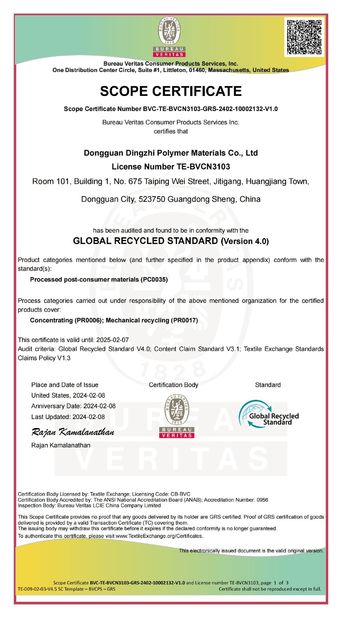
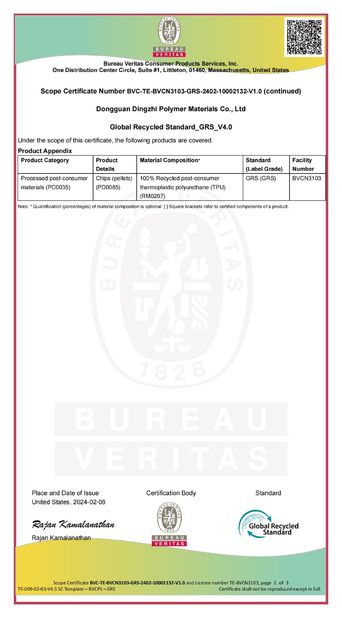
China Dongguan Dingzhi polymer materials Co., LTD certification
I'm Online Chat Now
Company Blog
Study Highlights Key Differences in Plastic Polymer Terminology
Latest company news about Study Highlights Key Differences in Plastic Polymer Terminology

Have you ever wondered about those small plastic beads used to manufacture everyday items? They go by various names—plastic pellets, plastic granules, plastic particles—but are these terms truly interchangeable? Let's examine whether these designations represent meaningful distinctions or simply regional preferences.

Terminology and Manufacturing Process

Fundamentally, plastic pellets and plastic particles refer to the same product: small solid pieces formed during plastic production. Manufacturers create these standardized units by melting resin raw materials, extruding the polymer, then cooling and cutting it into uniform shapes. This intermediate form facilitates efficient transportation, storage, and subsequent processing through methods like injection molding, extrusion, or blow molding—techniques that ultimately yield plastic containers, bottles, toys, and countless other products.

The variation in terminology primarily reflects industry conventions and geographical preferences. Some regions favor "pellets" to describe the physical form, while "particles" emphasizes the material's microscopic structure. Specialized terms like "flakes" typically describe polyethylene terephthalate (PET) due to its distinctive cutting method and shape.

Critical Performance Variables

While chemically identical regardless of nomenclature, plastic pellets exhibit dramatically different properties depending on several factors:

  • Polymer Type: Materials like polyethylene (PE), polypropylene (PP), polyvinyl chloride (PVC), and polystyrene (PS) possess unique molecular structures, weights, and crystallinity that determine melting points, tensile strength, flexibility, and chemical resistance.
  • Additives: Manufacturers incorporate plasticizers, stabilizers, flame retardants, and colorants to enhance performance or introduce specialized characteristics. These formulations directly impact the pellets' functional properties.
  • Production Parameters: Processing conditions—including extrusion temperature, pressure levels, and cooling rates—influence molecular orientation and crystallinity, affecting mechanical and thermal behavior.

Material selection requires careful consideration of application requirements. High-temperature applications demand heat-resistant polymers like polyimide (PI) or polyether ether ketone (PEEK), while flexible products may utilize plasticized PVC rather than rigid PP.

Ultimately, whether called pellets or particles, these plastic precursors serve identical purposes. Their performance characteristics vary significantly based on polymer chemistry, additive packages, and manufacturing techniques. Proper material selection requires thorough evaluation of operational demands to identify the optimal formulation for each application.

Pub Time : 2026-04-30 00:00:00 >> Blog list
Contact Details
Dongguan Dingzhi polymer materials Co., LTD

Contact Person: Ms. Chen

Tel: +86-13510209426

Send your inquiry directly to us (0 / 3000)