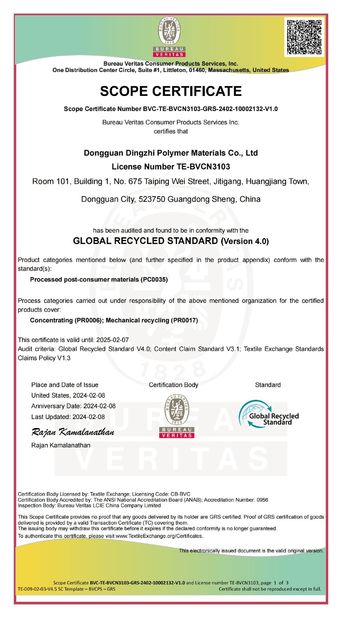
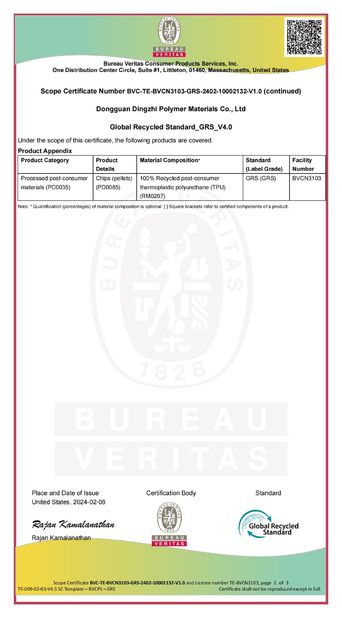
In an era of overwhelming consumption, plastic waste floods our lives with alarming consequences. Millions of tons of plastic debris accumulate annually, presenting an environmental crisis that demands urgent solutions. As sustainability concerns grow louder, the search intensifies for innovative materials that balance style with ecological responsibility. Recycled polyester (rPET) has emerged as a leading contender in this space, championed as a sustainable alternative across fashion, packaging, and consumer goods. But beneath the optimistic rhetoric lies a complex reality that warrants careful examination.
Chapter 1: The Birth of Recycled Polyester - Alchemy for the Modern Age
1.1 Defining Recycled Polyester
Recycled polyester represents a technological marriage between innovation and environmentalism. This synthetic fiber derives from post-consumer plastic waste, predominantly PET bottles that would otherwise clog landfills or drift through marine ecosystems. Through advanced manufacturing processes, these discarded materials transform into fashionable apparel, durable luggage, and comfortable home textiles—a modern alchemy turning trash into treasure.
1.2 The Production Process
The creation of rPET involves sophisticated industrial operations:
Collection: Establishing comprehensive recycling systems to gather PET bottles.
Cleaning: Rigorous purification to remove contaminants.
Shredding: Breaking cleaned bottles into small fragments.
Melting: High-temperature processing into liquid form.
Spinning: Extruding molten material into fine polyester fibers.
Finishing: Enhancing fibers through stretching and texturing processes.
This industrial metamorphosis reduces fossil fuel dependence while giving plastic waste renewed purpose in sustainable manufacturing.
Chapter 2: The Environmental Promise
2.1 Waste Reduction
United Nations data reveals over 400 million tons of annual plastic waste globally, with PET bottles constituting a significant portion. rPET offers these materials an alternative to landfills—each ton recycled prevents approximately 61,000 bottles from environmental contamination while reducing CO2 emissions by 3.2kg per kilogram processed.
2.2 Energy Efficiency
rPET production demonstrates substantial environmental advantages over virgin polyester, requiring 59% less energy and generating 32% fewer carbon emissions. Widespread adoption could dramatically impact global carbon footprints.
2.3 Circular Economy Potential
This material supports closed-loop systems in fashion, decreasing reliance on petroleum-based production while conserving natural resources—a model aligning economic and ecological priorities.
2.4 Performance and Versatility
Retaining virgin polyester's durability and colorfastness, rPET serves diverse applications:
-
Apparel: Athletic wear and outerwear benefiting from moisture-wicking properties
-
Accessories: Durable bags with water-resistant qualities
-
Home Goods: Soft yet resilient furnishings with hypoallergenic benefits
Chapter 3: The Hidden Challenges
3.1 Microplastic Pollution
Like conventional polyester, rPET sheds microfibers during washing—an estimated 700,000 fibers per load potentially entering waterways. While specialized laundry products may mitigate release, they cannot eliminate this persistent environmental threat.
3.2 Recycling Limitations
Mechanical recycling—the dominant method—gradually degrades fiber quality, typically allowing only 2-3 reuse cycles before requiring virgin material blends. Emerging chemical recycling technologies show promise but remain cost-prohibitive at scale.
3.3 Systemic Shortcomings
Critics argue rPET merely extends single-use plastic lifespans without addressing overproduction. The focus on recycling may inadvertently reduce urgency for reusable alternatives and systemic waste reduction.
3.4 Residual Environmental Impact
Production still requires industrial energy and chemicals, with potential concerns including:
• High-temperature processing energy demands
• Water and chemical usage during purification
• Volatile organic compound emissions
• Additional chemical treatments for dyeing and finishing
3.5 Economic Considerations
rPET carries 20-30% cost premiums over virgin alternatives due to collection and processing expenses—a significant barrier to widespread adoption despite environmental benefits.
Chapter 4: Comparative Analysis
4.1 rPET vs. Virgin Polyester
| Characteristic |
Recycled Polyester (rPET) |
Virgin Polyester |
| Source |
Post-consumer PET waste |
Petroleum derivatives |
| Energy Use |
59% reduction |
High consumption |
| Carbon Footprint |
32% lower emissions |
Substantial emissions |
| Durability |
Comparable but degrades with recycling |
Consistently strong |
| Recyclability |
Limited reuse cycles |
Recyclable but fossil-fuel dependent |
4.2 Balancing Priorities
The transition toward rPET requires navigating complex trade-offs between ecological responsibility and economic viability—a challenge demanding coordinated efforts across policymakers, manufacturers, and consumers.
Conclusion: A Measured Perspective
Recycled polyester presents meaningful advantages in waste reduction and energy conservation, yet falls short of being a perfect solution. Microplastic pollution and finite recyclability remain significant concerns that the industry must address through continued innovation. While rPET currently stands as the most viable sustainable alternative to virgin polyester, its implementation should form part of broader systemic changes—including reduced production and improved recycling infrastructure—to genuinely transform fashion's environmental impact.
The path forward requires transparent evaluation of rPET's capabilities and limitations, avoiding both uncritical celebration and dismissive skepticism. Through responsible innovation and informed consumption, this material can contribute meaningfully to a more sustainable future for fashion and beyond.


 Your message must be between 20-3,000 characters!
 English