Plastic has become an indispensable part of modern life, yet its environmental impact presents significant challenges. Rather than viewing plastic waste as an insurmountable burden, we can transform it into a valuable resource through recycling—the fundamental principle of a circular economy.
Chapter 1: Defining Recycled Plastics
1.1 What Are Recycled Plastics?
Recycled plastics, also known as post-consumer recycled (PCR) or post-industrial recycled (PIR) materials, are secondary raw materials obtained through the processing of discarded plastic products. Unlike virgin plastics derived from petroleum, recycled plastics give new life to previously used materials.
1.2 Sources of Recycled Plastics
Recycled plastics originate from two primary sources:
-
Post-consumer waste (PCR): Everyday plastic items discarded after use, such as beverage bottles, food packaging, and plastic bags.
-
Post-industrial waste (PIR): Manufacturing byproducts including production scraps and defective items.
1.3 Commonly Recyclable Plastic Types
Not all plastics share equal recyclability. The most frequently recycled polymers include:
-
Polyethylene (PE) - Used in packaging and plastic bags
-
Polypropylene (PP) - Found in food containers and automotive parts
-
Polystyrene (PS) - Common in disposable utensils and electronics
-
Polyethylene terephthalate (PET) - Predominantly used in beverage bottles
Chapter 2: The Recycling Process
2.1 Collection and Sorting
The recycling journey begins with advanced sorting technologies that separate plastic types using chemical signatures and near-infrared (NIR) spectroscopy, ensuring material purity.
2.2 Key Processing Steps
-
Collection from waste streams
-
Material classification
-
Thorough cleaning
-
Mechanical shredding
-
Thermal melting
-
Filtration purification
-
Pelletization
-
Performance enhancement
Chapter 3: Applications and Innovations
3.1 Versatile Applications
Recycled plastics serve diverse industries including packaging, construction, automotive manufacturing, electronics, and agriculture.
3.2 Industry Examples
Notable implementations include Coca-Cola's PlantBottle containing 30% plant-based and recycled PET materials, Nike's Flyknit shoes utilizing recycled bottles, and Unilever's shampoo bottles made from recycled HDPE.
Chapter 4: Benefits and Challenges
4.1 Environmental Advantages
-
Reduced dependence on virgin plastics
-
Lower energy consumption and carbon emissions
-
Conservation of natural resources
-
Decreased plastic pollution
4.2 Current Limitations
-
Quality variations compared to virgin materials
-
Higher production costs in certain cases
-
Consumer perception challenges
-
Inconsistent global recycling infrastructure
Chapter 5: Certification Standards
5.1 EuCertPlast Certification
This European standard established in 2012 emphasizes material traceability and quality throughout the recycling supply chain, recognized by environmental labels like the Blue Angel.
5.2 Additional Certifications
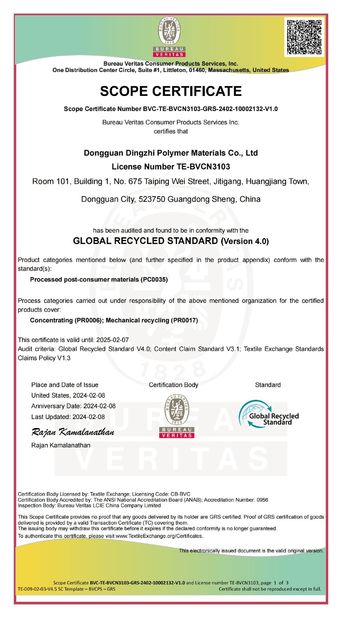
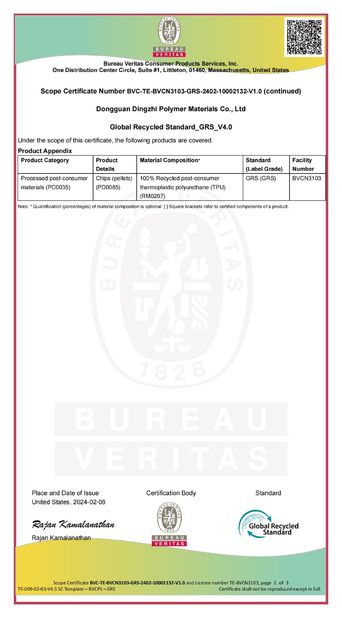
Other notable standards include the Global Recycled Standard (GRS), Recycled Claim Standard (RCS), and ISCC PLUS sustainability certification.
Chapter 6: Circular Economy Principles
6.1 The 8R Framework
The circular economy operates on eight fundamental principles: Refuse, Reduce, Reuse, Repair, Refurbish, Remanufacture, Repurpose, and Recycle.
6.2 Recycled Plastics' Role
As a cornerstone of circular systems, recycled plastics enable resource conservation, energy efficiency, and waste reduction while maintaining material value.
Chapter 7: Regulatory Landscape
7.1 EU Packaging Regulations
The Packaging and Packaging Waste Regulation (PPWR) mandates all packaging to be recyclable or reusable by 2030, establishing minimum recycled content requirements to accelerate circular adoption.
Conclusion
The transition to recycled plastics represents a critical pathway toward sustainable material management. While technical and economic challenges persist, continued innovation in recycling technologies, coupled with supportive policies and shifting consumer attitudes, promises to expand the role of recycled plastics in building a circular future.


 Your message must be between 20-3,000 characters!
 English