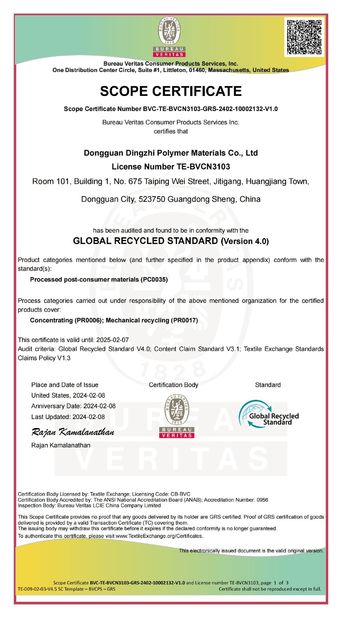
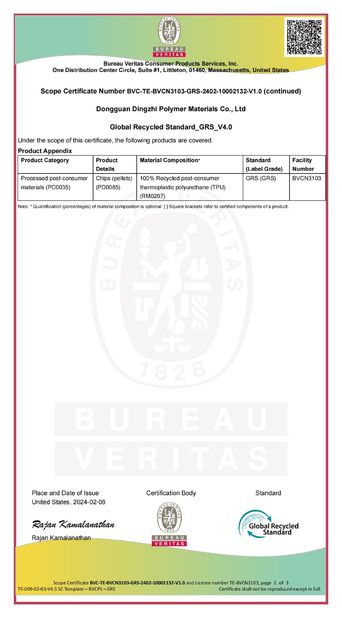
Many consumers naively believe that plastic bottles labeled "100% recyclable" can perfectly transform back into new bottles, achieving true circularity. However, reality often falls far short of this ideal. This article examines the truth behind plastic bottle recycling, exposes the consumer deception hidden beneath "green" labels, and explores ways to promote a more transparent and sustainable packaging industry.
The Plastic Bottle Recycling Process: Ideal vs. Reality
Recycling plastic bottles is far more complex than advertised. It involves multiple challenging steps—from collection and sorting to processing. Within the EU, various collection systems exist, including deposit return schemes, each with unique complexities. After collection, bottles undergo processing such as cap and label removal and color sorting to prepare for mechanical recycling—the primary method used in the EU.

Mechanical recycling involves cleaning, shredding, melting, and molding plastic bottles into recycled PET (rPET) flakes. While rPET does reduce CO₂ emissions compared to virgin plastic, the process still consumes significant energy and generates pollution. The notion that "100% recyclable" automatically means environmentally friendly is misleading.
The Downcycling Dilemma: Plastic's Alternative Fate
True "closed-loop" recycling—where bottles become new bottles—rarely occurs. More often, plastic undergoes downcycling into lower-quality products like plastic bags or shoes. This merely extends plastic waste's lifespan by transferring it to different sectors. Consumers may unknowingly purchase clothing made from mixed recycled bottle plastic and virgin plastic, mistakenly believing they're buying eco-friendly products made from ocean plastics.
Mechanical Recycling's Limits: No Infinite Loops
Plastic cannot be mechanically recycled indefinitely. Each cycle degrades polymer chains, limiting material usability. Even common PET plastic suffers this degradation. To maintain quality, manufacturers must blend in virgin plastic—an unsustainable long-term model.
Decoding "100% Recycled": Label Deceptions
"100% recycled" claims often obscure key facts: manufacturers don't recycle entire bottles. EU law requires caps to use virgin plastic, while labels rarely contain recycled material. Some companies even incorporate "pre-production waste"—essentially virgin plastic from unused manufacturing materials—into "fully recycled" bottles. Consumers might be surprised to learn their "100% recycled" bottle contains new plastic or production scrap, blurring the line between genuine recycling and greenwashing.
Challenging Misleading Claims: Consumer Protection Efforts
This deception hasn't gone unnoticed. The European Consumer Organisation (BEUC) and its members have warned major bottled water companies about misleading claims. Supported by environmental groups ECOS and ClientEarth, BEUC's action highlights discrepancies between "100% recycled" claims and actual practices, urging greater packaging industry transparency. The Consumer Protection Cooperation Network and European Commission are currently evaluating this complaint.
Yet supermarkets still overflow with bottles labeled "100% recycled material." While these claims aren't entirely truthful, most consumers remain unaware. Having exposed greenwashing's prevalence, consumer groups now push regulators to prohibit such misleading marketing.
Recycling's Complex Reality
Plastic bottle recycling involves multiple challenging stages:
-
Collection & Sorting:
Effective recycling requires robust collection systems and advanced sorting technology. Different systems (deposit returns, curbside collection) vary in efficiency and cost-effectiveness. Sorting separates bottles by color and material type, though technical and cost constraints prevent full recovery.
-
Mechanical Recycling:
The dominant method involves cleaning, shredding, melting, and pelletizing waste plastic. However, each recycle damages plastic's molecular structure, reducing quality and requiring virgin plastic blends for many applications.
-
Chemical Recycling:
This emerging technology breaks plastic into monomers or intermediates for repolymerization. It handles more plastic types and produces higher-quality output than mechanical recycling, but remains costly and commercially immature.
Common Greenwashing Tactics
Companies frequently employ greenwashing to burnish eco-credentials:
-
Exaggerated Recycling Rates:
Claiming "100% recycled" while using minimal or no recycled content
-
Fake Certifications:
Using unauthorized "eco" labels
-
Pollution Export:
Offshoring waste while claiming domestic sustainability
-
Vague Terminology:
Using ambiguous terms like "eco-friendly" or "sustainable" without clear definitions
Avoiding Greenwashing Traps
Consumers can make informed choices by:
-
Examining product composition for recycled/biodegradable materials
-
Seeking reliable eco-certifications (e.g., Blue Angel, Cradle to Cradle)
-
Questioning overstated environmental claims
-
Supporting transparent, sustainability-focused companies
Advancing Plastic Recycling
Sustainable plastic bottle recycling requires collective action:
-
Governments:
Strengthen regulations, fund green tech R&D
-
Businesses:
Increase recycling rates, develop better materials, disclose environmental data
-
Consumers:
Recycle diligently, choose sustainable products
-
Industries:
Establish standards, combat greenwashing
Only through coordinated effort can plastic recycling become truly sustainable.


 Your message must be between 20-3,000 characters!
 English