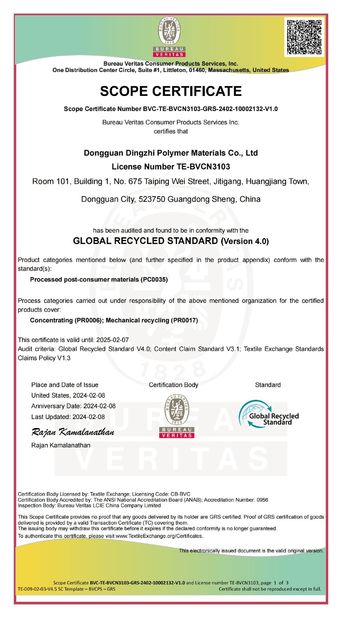
As new parents prepare for their baby's arrival, they face an overwhelming array of infant care products to evaluate. While essentials like formula, diapers, and cribs receive much attention, one crucial item often gets overlooked—the baby play mat. These specialized mats serve as more than just a soft surface; they provide a safe developmental space that supports infants' physical and cognitive growth during their most formative months.
Chapter 1: Understanding Play Mats
1.1 What Is a Baby Play Mat?
Designed specifically for infants, play mats create a cushioned, clean surface for floor activities. These mats typically feature soft, resilient materials like foam, TPU (thermoplastic polyurethane), or XPE (cross-linked polyethylene foam) with sufficient thickness to absorb impact and protect babies during playtime, crawling practice, or early walking attempts.
1.2 Key Benefits
-
Safety:
Cushions falls and prevents injuries on hard floors
-
Hygiene:
Creates a barrier against floor contaminants
-
Development:
Encourages movement and sensory exploration
-
Versatility:
Portable for use at home or while traveling
Chapter 2: Material Considerations
2.1 Common Materials
Modern play mats come in several material options, each with distinct characteristics:
-
EVA/PE Foam:
Affordable but may contain concerning chemicals
-
XPE Foam:
Durable and eco-friendly with good cushioning
-
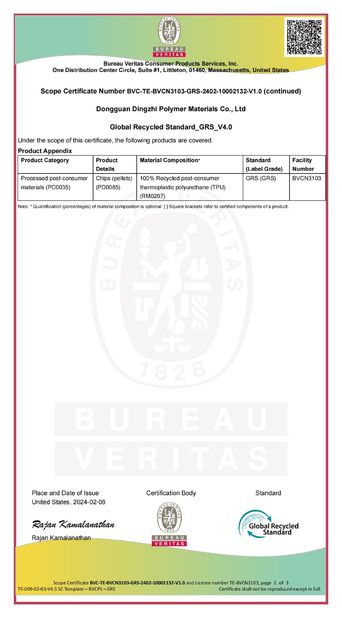
TPU:
Premium option offering superior comfort and safety
-
PVC:
Not recommended due to potential toxicity
2.2 Why TPU Stands Out
TPU mats have gained popularity among safety-conscious parents for their:
-
Non-toxic, chemical-free composition
-
Exceptional durability and tear resistance
-
Easy-to-clean, stain-resistant surfaces
-
Built-in anti-slip properties
Chapter 3: Safety and Maintenance
3.1 Critical Safety Measures
-
Verify third-party safety certifications (3C, CE, SGS)
-
Ensure smooth, rounded edges without sharp corners
-
Supervise infants to prevent mat chewing
-
Inspect regularly for wear and damage
3.2 Cleaning Protocols
Maintaining hygiene requires:
-
Daily wiping with damp cloths
-
Weekly deep cleaning with mild disinfectants
-
Immediate treatment of spills and stains
-
Proper drying before storage
Chapter 4: Developmental Advantages
Beyond safety, play mats significantly contribute to infant development by:
-
Providing space for tummy time and crawling practice
-
Strengthening neck, shoulder, and back muscles
-
Preventing flat head syndrome (positional plagiocephaly)
-
Stimulating sensory perception through colors and textures
Final Recommendations
When selecting a play mat, prioritize:
-
Safety-certified materials over cost considerations
-
Appropriate thickness for your child's developmental stage
-
Easy maintenance features for busy households
-
Sufficient size for unrestricted movement
Properly chosen and maintained, a quality play mat becomes an invaluable tool that supports infants' growth while giving parents peace of mind about their child's safety during crucial early developmental phases.


 Your message must be between 20-3,000 characters!
 English