Imagine your favorite ocean scene — crystal-clear waters, vibrant coral reefs, and schools of fish darting through the currents — now invaded by countless plastic particles. This isn't science fiction, but the reality of nurdle pollution.
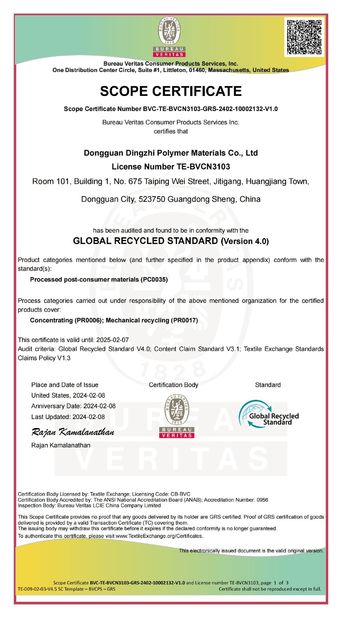
Nurdles, the raw material for all plastic products, are small plastic pellets about the size of lentils. They represent the first step in plastic manufacturing, derived from refined petroleum. Nearly every plastic item we use daily — from water bottles to laundry baskets — begins as these seemingly harmless pellets.
An Environmental Disaster in Miniature
The world took notice of nurdles in October 2017 when a storm off Durban, South Africa caused two container ships to collide, spilling billions of these pellets into the ocean. For most South Africans, "nurdle" was an unfamiliar term until it became synonymous with ecological catastrophe.
These tiny pellets pose disproportionate environmental threats for several reasons. As persistent pollutants, they degrade extremely slowly, remaining in ecosystems for decades. Worse, their porous structure acts like sponges, absorbing toxic chemicals from seawater including persistent organic pollutants (POPs). When marine life ingests these contaminated pellets, the toxins accumulate up the food chain — ultimately reaching human consumers.
An Invisible Menace to Marine Life
The pellets' size and shape make them easily mistaken for food by fish, seabirds, and turtles. Consumption leads to intestinal blockages, malnutrition, and often death. Nurdles also adhere to marine organisms' bodies, impairing movement and respiration while damaging habitats.
Ocean currents distribute nurdles globally, carrying them to remote islands and polar regions. This means even areas without plastic production face contamination, creating a planetary-scale threat to marine ecosystems.
Addressing the Nurdle Crisis
Combating nurdle pollution requires multi-pronged solutions. Strengthening regulations to prevent leakage during production, transport, and storage is critical. This includes using sturdier packaging, enhancing safety protocols, and developing spill response plans.
Material innovation offers another path forward. Developing biodegradable bioplastics and promoting alternative materials like glass or paper can reduce plastic dependence. Simultaneously, improving recycling systems helps keep existing plastics in circulation.
Public education remains essential for lasting change. Raising awareness about nurdle pollution's dangers encourages reduced plastic usage and participation in recycling programs. Collective action can help safeguard marine environments from this insidious threat.
These minuscule plastic pellets represent a macro-scale environmental challenge. Protecting our oceans demands immediate, coordinated efforts to stem the tide of nurdle pollution before more irreversible damage occurs.


 Your message must be between 20-3,000 characters!
 English