Plastic bottles are ubiquitous in modern life – holding our water, soda, and countless other beverages. Yet few consider the remarkable transformation these containers undergo, from raw plastic pellets to the finished products we use daily. This is the untold story of plastic manufacturing.
The Building Blocks of Plastic Products
At the heart of every plastic container lie plastic pellets – the fundamental raw material for all plastic manufacturing. These tiny granules, typically about 5mm in diameter, serve as the "bricks" for constructing plastic products. Without them, injection molding machines, blow molding equipment, and other plastic-forming machinery would sit idle.
Modern life would be unrecognizable without plastic packaging. From food preservation to beverage transportation and e-commerce shipping, plastic containers play essential roles we often take for granted.
The Three Families of Plastic Pellets
Not all plastic pellets are created equal. The manufacturing industry recognizes three primary types, each with distinct characteristics:
-
Cylindrical Filament Pellets:
The most common variety, resembling short fibers with their elongated cylindrical shape.
-
Water Ring Pellets:
Flatter, disc-shaped pellets similar in appearance to aspirin tablets, often used for products requiring superior surface finish.
-
Underwater Pellets:
Spherical granules with higher density, typically employed for high-strength, wear-resistant applications.
The Four-Stage Transformation Process
Producing plastic pellets involves far more than simple melting and cooling. The manufacturing process requires precise control through four critical phases:
1. Dosage: Precision Formulation
Like following a recipe, manufacturers carefully measure raw materials including virgin resin, recycled plastic, and specialized additives. Each component serves specific purposes:
-
Virgin resin forms the structural foundation
-
Recycled plastic promotes sustainability
-
Additives enhance performance characteristics
2. Mixing: Creating Homogeneous Blends
The measured ingredients undergo thorough blending with steam and additives. Temperature, duration, and mixing intensity must be precisely controlled to ensure uniform distribution – inconsistencies here lead to defective final products.
3. Pelletization: The Core Manufacturing Step
The mixed material enters extruders where heat and pressure create molten plastic. This liquid plastic passes through dies to form continuous strands, which cutting mechanisms slice into uniform pellets. Critical factors include:
-
Extruder temperature and pressure settings
-
Die design determining pellet shape
-
Cutting mechanism precision
4. Drying: Removing Residual Moisture
Freshly cut pellets retain surface moisture that could compromise product quality. Controlled drying processes remove this moisture without damaging the plastic's molecular structure.
Quality Control: The Science Behind Perfect Pellets
For PET containers especially, pellet quality directly impacts final product performance. Manufacturers must carefully monitor:
-
Particle Size:
Inconsistent sizing leads to viscosity variations and structural weaknesses
-
Air Bubbles:
Trapped air causes surface imperfections
-
Uniformity:
Consistent shape and composition ensure reliable melting properties
Additional quality factors include raw material purity, equipment maintenance, and strict adherence to production protocols. Even minor deviations can render entire batches unsuitable for critical applications like carbonated beverage containers.
The Versatility of Plastic Pellets
Beyond beverage containers, plastic pellets serve countless industries:
-
Automotive:
Lightweight components improving fuel efficiency
-
Electronics:
Protective housings with excellent insulation
-
Construction:
Durable piping and building materials
-
Agriculture:
Irrigation systems and protective films
Sustainability Through Recycling
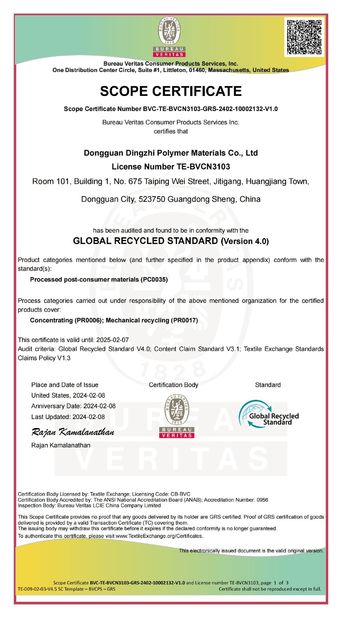
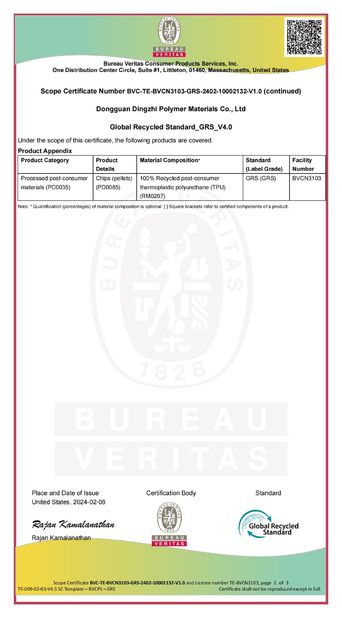
Modern recycling technologies allow used plastics to be reprocessed into high-quality pellets, reducing virgin material consumption. While recycled pellets may have slightly different properties than virgin material, ongoing advancements continue improving their performance characteristics.
The next time you hold a plastic bottle, consider the remarkable journey of its constituent pellets – from carefully formulated raw materials through precision manufacturing processes to become the convenient containers that modern life depends on.


 Your message must be between 20-3,000 characters!
 English