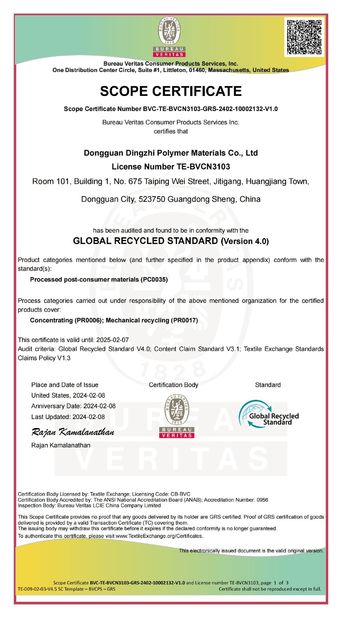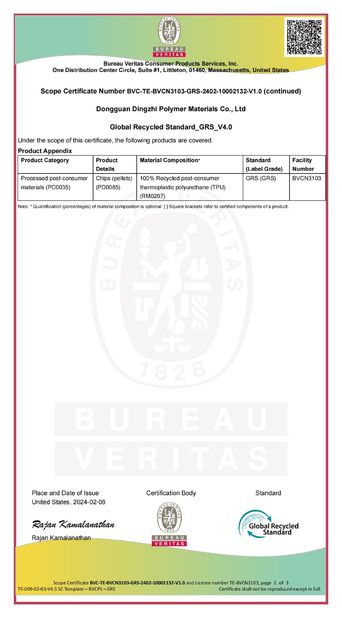
Have you ever noticed your favorite phone case turning yellow and brittle after just a few months? Or your sneaker soles wearing out surprisingly fast? These common frustrations often relate to the choice of plastic materials. Today, we examine thermoplastic polyurethane (TPU), a high-performance material that has become indispensable across industries. What makes TPU stand out among plastics, and what should consumers know about its advantages and limitations?
Thermoplastic polyurethane (TPU) occupies a unique position between rubber and plastic. Its "elastomer" properties grant it rubber-like elasticity, allowing it to stretch, bend, and recover its shape. As a "thermoplastic," it can be melted when heated and reshaped when cooled, enabling repeated processing. This dual nature gives TPU exceptional versatility for diverse applications.
TPU's development traces back to 1959 when American company BF Goodrich first synthesized it commercially. Over decades, manufacturing processes have refined while applications expanded dramatically—from industrial components to everyday consumer products where TPU now appears everywhere.
TPU's widespread adoption stems from its outstanding physical and chemical characteristics:
Key metrics help quantify TPU's performance for specific needs:
While TPU offers numerous benefits, thoughtful consideration of its drawbacks ensures appropriate material selection:
Advantages:
Challenges:
TPU's unique properties make it ubiquitous across industries:
Environmental considerations are driving TPU innovation in three key directions:
When choosing TPU products, consider these practical tips:
Contact Person: Ms. Chen
Tel: +86-13510209426