logo
Home

blog about Guide to Mastering TPU Filaments for 3D Printing

Certification
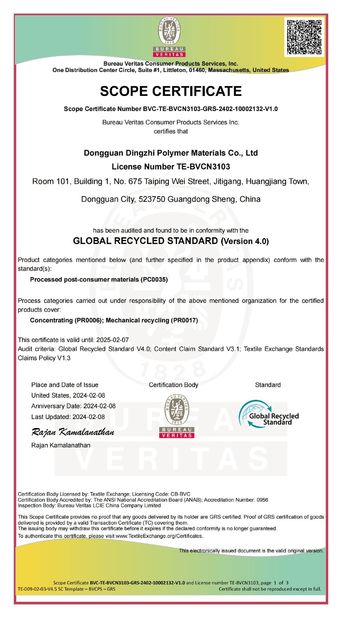
China Dongguan Dingzhi polymer materials Co., LTD certification
I'm Online Chat Now
Company Blog
Guide to Mastering TPU Filaments for 3D Printing
Latest company news about Guide to Mastering TPU Filaments for 3D Printing

Struggling with warped edges, inconsistent precision, or frequent nozzle clogs when printing with TPU filament? These common issues not only waste time and materials but can also dampen your creative enthusiasm. With high-performance TPU filaments now available, these challenges can be effectively addressed, allowing you to fully enjoy the creative possibilities of 3D printing.

Understanding TPU Filament

Thermoplastic Polyurethane (TPU) is a high-performance material that combines the properties of rubber and plastic. Known for its exceptional elasticity, abrasion resistance, oil resistance, and chemical stability, TPU has become increasingly popular in 3D printing applications. However, its flexible nature also presents unique printing challenges that require careful material selection.

Key Considerations When Choosing TPU Filament
  • Hardness: Measured in Shore A units, lower values indicate softer materials. Select hardness based on application requirements—softer TPU for highly flexible parts, harder variants for structural components.
  • Diameter Consistency: Precise filament diameter ensures reliable extrusion and minimizes clogs or breaks during printing.
  • Melting Point and Flow Characteristics: Optimal melt temperature and flow properties enable better print control and surface finish.
  • Manufacturer Reputation: Established brands typically offer better quality control and technical support.
Applications of TPU in Various Industries

The unique properties of TPU make it valuable across multiple sectors:

  • Consumer Electronics: Protective cases for smartphones, tablets, and wearable devices benefit from TPU's shock absorption and grip.
  • Sports Equipment: Footwear soles, protective gear, and athletic accessories utilize TPU's cushioning properties.
  • Medical Devices: Biocompatible TPU is used in catheters, prosthetics, and seals due to its chemical resistance.
  • Automotive Components: Gaskets, vibration dampeners, and interior parts leverage TPU's durability.
  • Industrial Applications: Seals, gaskets, and flexible connectors withstand harsh operating conditions.
Optimizing TPU Printing Parameters

Beyond material selection, proper printer configuration is essential for successful TPU printing:

  • Reduce print speeds to prevent stringing and deformation
  • Calibrate nozzle temperature based on filament specifications
  • Prefer direct-drive extruders for better filament control
  • Disable or minimize retraction settings
  • Use bed adhesives to prevent warping and improve first-layer adhesion
Future Developments in TPU Materials

The TPU filament market continues to evolve with several promising trends:

  • Development of advanced TPU formulations with enhanced mechanical properties
  • Composite TPU materials incorporating reinforcing fibers
  • Increased focus on sustainable and biodegradable TPU options

By selecting appropriate TPU materials and applying proper printing techniques, users can overcome common challenges and produce high-quality functional prints. As material technology advances, TPU continues to expand the creative possibilities of 3D printing across professional and hobbyist applications.

Pub Time : 2026-07-11 00:00:00 >> Blog list
Contact Details
Dongguan Dingzhi polymer materials Co., LTD

Contact Person: Ms. Chen

Tel: +86-13510209426

Send your inquiry directly to us (0 / 3000)