logo
Home

blog about Global Push to Curb Plastic Pellet Pollution Intensifies

Certification
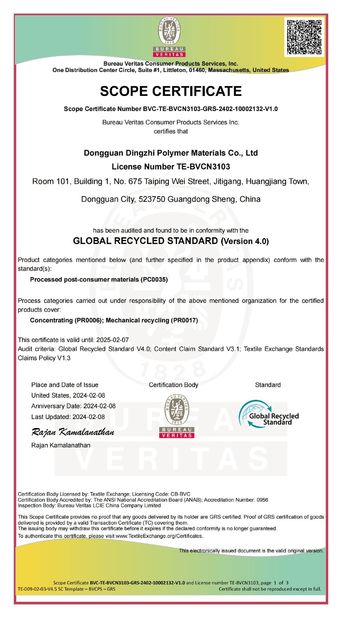
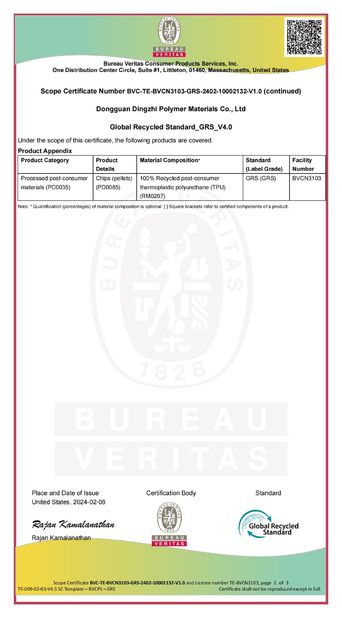
China Dongguan Dingzhi polymer materials Co., LTD certification
I'm Online Chat Now
Company Blog
Global Push to Curb Plastic Pellet Pollution Intensifies
Latest company news about Global Push to Curb Plastic Pellet Pollution Intensifies

Imagine walking along a beach where children happily collect seashells and seabirds soar freely overhead. Beneath this idyllic scene lurks an invisible crisis—millions of tiny plastic particles silently infiltrating our waterways, threatening entire ecosystems. These plastic pellets, known as "nurdles," represent a little-known yet profoundly damaging form of plastic pollution that demands urgent attention.

What Are Plastic Pellets?

Plastic pellets, or nurdles, are the raw material used in manufacturing nearly all plastic products. These lentil-sized beads (typically under 5mm in diameter) consist of polyethylene (PE), polypropylene (PP), polyvinyl chloride (PVC), polystyrene (PS) and other common plastics. They serve as building blocks for water bottles, shopping bags, food containers and countless everyday items. While essential to modern industry, these seemingly harmless pellets become environmental hazards when accidentally released during production, transport or disposal.

How Plastic Pellets Enter the Environment

Nurdles escape into ecosystems through multiple pathways:

  • Manufacturing leaks: Aging equipment or operational errors cause pellet spills at production facilities, often flowing untreated into waterways.
  • Transport losses: Bulk shipments frequently spill pellets due to damaged packaging or careless handling, allowing wind and rain to carry them into storm drains and rivers.
  • Illegal dumping: Some companies discard contaminated or excess pellets directly into the environment to cut costs, violating environmental regulations.
  • Plastic degradation: Larger plastic items gradually break down into microplastics that mimic nurdles in size and impact.
  • Wastewater discharge: Treatment plants filter most solid waste but fail to capture microplastics, allowing pellets to enter rivers with treated effluent.

An estimated 100,000 metric tons of plastic pellets enter the environment annually—equivalent to 10 billion water bottles—posing grave ecological risks worldwide.

The Devastating Impacts

Plastic pellet pollution affects ecosystems and organisms through multiple mechanisms:

  • Wildlife ingestion: Marine animals frequently mistake pellets for food. Studies document hundreds of species—from fish to sea turtles to birds—with plastic-filled digestive systems, causing malnutrition, internal injuries and death.
  • Toxin accumulation: Pellets' porous surfaces absorb hazardous chemicals like persistent organic pollutants (POPs) and heavy metals from seawater, poisoning animals that ingest them.
  • Ecosystem disruption: Nurdles alter sediment composition, smother seafloor habitats and interfere with plankton populations—the foundation of marine food webs.
  • Human health risks: While direct evidence remains limited, researchers warn that microplastics may enter human bodies through seafood and drinking water, potentially causing inflammation or immune disorders.
  • Economic costs: Fisheries lose productivity as fish stocks decline, while plastic-strewn beaches deter tourists, costing coastal communities millions in revenue.
Global Response

International organizations have begun addressing pellet pollution through policy initiatives:

  • The UN Environment Programme is developing a Global Plastics Treaty to establish binding standards against all plastic pollution, including pellets.
  • The European Union's Plastics Strategy mandates that all packaging be recyclable by 2030 and bans microplastics in cosmetics.
  • The U.S. EPA is evaluating regulatory options, while several states prohibit plastic microbeads in personal care products.
Solutions and Strategies

Combating pellet pollution requires coordinated action across sectors:

  • Prevention: Manufacturers must upgrade equipment, improve worker training and develop biodegradable alternatives. Transporters should use sealed containers and spill-proof packaging.
  • Cleanup: Wastewater plants need advanced filtration systems, while beach cleanups and new technologies (like plastic-absorbing materials) can remove existing pollution.
  • Policy: Stronger laws should penalize illegal dumping and mandate pellet containment. The proposed U.S. Plastic Pellet Free Waters Act offers one regulatory model.
  • Public engagement: Consumer awareness campaigns can reduce plastic use, while citizen monitoring helps hold polluters accountable.

This invisible crisis demands visible action. From factory floors to family households, everyone shares responsibility for keeping plastic pellets out of our waters—before the damage becomes irreversible.

Pub Time : 2026-05-30 00:00:00 >> Blog list
Contact Details
Dongguan Dingzhi polymer materials Co., LTD

Contact Person: Ms. Chen

Tel: +86-13510209426

Send your inquiry directly to us (0 / 3000)