In the creative world of knitting, the choice of stuffing material plays a crucial role in transforming yarn into cherished companions. This comprehensive guide explores the multifaceted considerations behind doll stuffing—from material selection to safety regulations—that bring knitted toys to life.
The Soul of a Doll: The Multifaceted Role of Stuffing
Imagine a sunlit nursery where a child clutches a handmade doll—its charm derived not just from meticulous stitches but from the carefully chosen stuffing that gives it form and personality. This often-overlooked component serves multiple functions: determining tactile quality, structural integrity, and crucially, safety standards.
Referred to variously as toy filling, fiberfill, polyester fiberfill, or wadding across different regions, stuffing materials fundamentally serve the same purpose: animating knitted creations with character and durability.
Critical Considerations: Appearance, Cost, and Safety
Selecting appropriate stuffing requires balancing several factors:
-
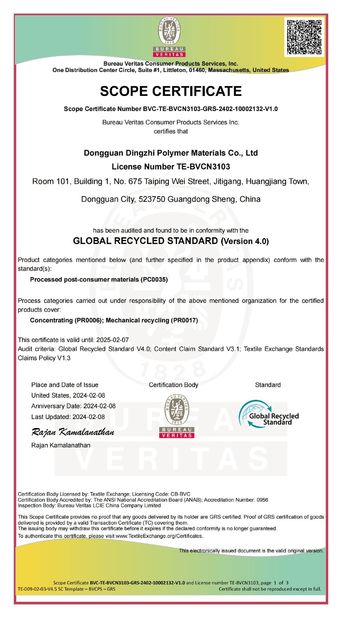
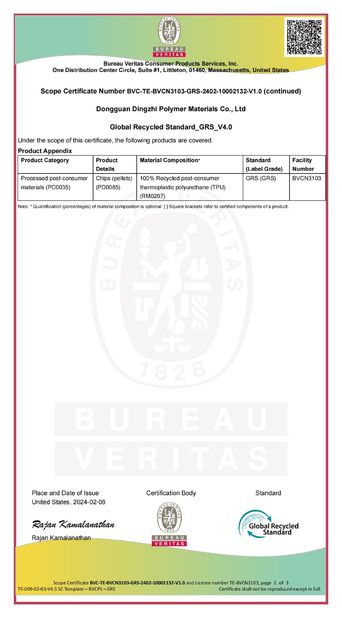
Aesthetics and Texture: Materials impact visual and tactile qualities. Recycled polyester, while eco-friendly, may appear off-white through light-colored fabrics. Fiber density and loft significantly influence a toy's final appearance.
-
Budgetary Constraints: Natural materials like wool prove costly for large projects. Polyester fiberfill or repurposed fabric scraps offer economical alternatives without compromising quality.
-
Safety Imperatives: For children's toys, non-toxic, hypoallergenic materials are essential. Small particulate fillings must be avoided to prevent choking hazards, and all materials should meet international safety certifications.
Regulatory Compliance: Understanding Toy Safety Standards
Commercial toy production requires adherence to regional safety protocols. The CE mark indicates conformity with European Union safety standards, while other jurisdictions maintain similar certification systems. Manufacturers must verify that stuffing materials and finished products meet all applicable flammability, toxicity, and mechanical hazard requirements.
Material Options: From Traditional to Innovative
Synthetic Fibers
Polyester/Acrylic Fiberfill: This widely available, cost-effective option offers consistent loft and resilience. High-loft variants provide enhanced volume, while antimicrobial treatments suit frequently handled toys.
Natural Materials
Cotton: A breathable, biodegradable choice available in organic varieties. Pre-shrunk cotton resists deformation during washing, making it ideal for infant toys.
Wool/Lambswool: Prized for natural temperature regulation and flame resistance. Carded wool delivers airy softness, while uncarded versions create firmer structures.
Creative Alternatives
Resourceful crafters employ various repurposed materials:
-
Fabric scraps from garment production
-
Sanitized textile waste (old clothing, bedding)
-
Natural aromatics like lavender sachets
-
Weighting agents such as rice or sand (properly contained)
Technical Considerations
Density Variations: Carded materials incorporate more air, yielding softer results, while uncarded fibers create denser forms. Purchase quantities should account for these differences—stuffing is typically sold by weight, but volume requirements vary by project.
International Shipping: Natural fiber contents may require customs declarations. Bamboo, wool, or plant-based fillings often need special documentation.
Environmental Responsibility
Eco-conscious crafters can reduce waste by creatively repurposing materials. Combining different stuffing types—such as cotton batting with rice-weighted pouches—achieves both sustainability and functional objectives.
Construction Techniques
-
Gradually distribute small stuffing amounts
-
Prioritize structural areas (limbs, head)
-
Maintain even density throughout
-
Avoid overstuffing to preserve flexibility
-
Securely close all openings with hidden stitches
Safety Verification
-
Confirm stuffing containment with no leakage points
-
Verify seam integrity under stress
-
Eliminate small detachable components
-
Shorten any decorative cords to safe lengths
Through informed material selection and meticulous craftsmanship, knitters can produce heirloom-quality toys that delight recipients while meeting rigorous safety standards. The interplay of artistic vision and technical precision transforms simple fibers into cherished companions.


 Your message must be between 20-3,000 characters!
 English