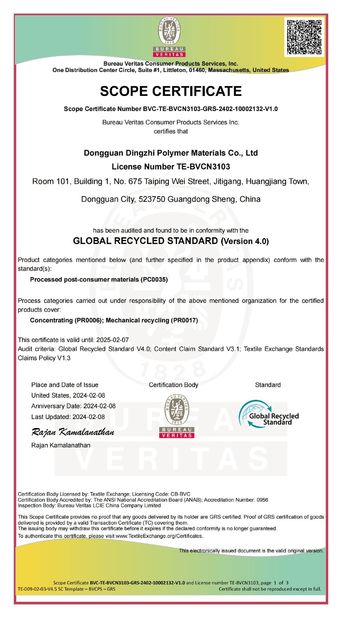
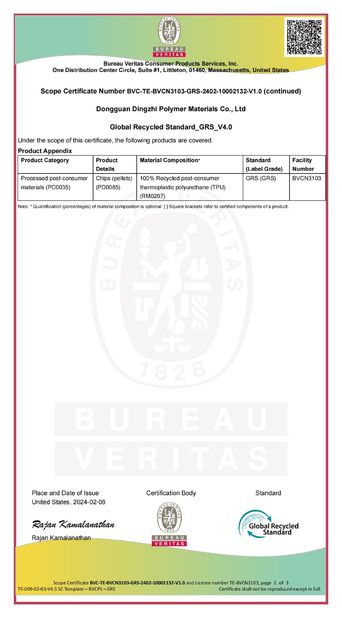
Paint Protection Film (PPF) has emerged as the premier solution for safeguarding vehicle finishes against everyday hazards. As consumers face an array of material options, understanding the differences between TPU, TPH, and PVC films becomes essential for making informed purchasing decisions.
Understanding PPF and Its Importance
PPF constitutes a transparent, durable layer applied directly to a vehicle's painted surfaces. This protective barrier defends against multiple environmental and mechanical threats:
-
Road debris:
Gravel and stone chips that cause surface abrasions during highway driving
-
Accidental scratches:
Damage from keys, fingernails, or other sharp objects
-
Environmental factors:
Acid rain, bird droppings, and tree sap that chemically degrade finishes
-
UV radiation:
Sunlight exposure leading to oxidation and color fading
Beyond physical protection, premium PPF enhances surface gloss while maintaining factory paint integrity—crucial for preserving resale value by preventing color mismatch issues from subsequent repairs.
Material Comparison: TPU vs. TPH vs. PVC
The market offers three primary PPF material types, each with distinct performance characteristics:
1. TPU (Thermoplastic Polyurethane)
Characteristics:
The premium choice offering superior elasticity, scratch resistance, and self-healing properties through molecular realignment when heated. Provides exceptional UV protection.
Advantages:
-
Outstanding impact resistance against road debris
-
Automatic repair of minor surface imperfections
-
Extended service life (5-10 years)
-
Optical clarity maintaining original finish appearance
Considerations:
Higher initial investment compared to alternatives.
2. TPH (Thermoplastic Hybrid)
Characteristics:
A modified PVC formulation with enhanced flexibility through plasticizers, positioning it as a mid-range option.
Advantages:
-
Moderate protective capabilities at reduced cost
-
Improved conformability versus standard PVC
Limitations:
-
Limited self-restoration properties
-
Potential yellowing over time (3-5 year lifespan)
3. PVC (Polyvinyl Chloride)
Characteristics:
The most economical option with inherent rigidity and susceptibility to environmental degradation.
Advantages:
Minimal upfront cost.
Drawbacks:
-
Inadequate protection against significant impacts
-
Prone to cracking, discoloration, and edge lifting
-
Short functional lifespan (1-2 years)
TPU Film: Performance and Pricing Analysis
Several factors influence TPU film pricing tiers:
-
Material quality:
Higher-purity polymers command premium pricing
-
Coating technology:
Advanced nanoceramic or hydrophobic topcoats increase cost
-
Manufacturing precision:
Uniform thickness and defect-free production affect price
-
Brand reputation:
Established manufacturers typically charge more
Selection Criteria for Optimal Protection
Key considerations when choosing PPF include:
-
Available budget allocation
-
Primary vehicle usage patterns
-
Aesthetic enhancement requirements
-
Environmental conditions in operating regions
-
Installer expertise and warranty provisions
Professional Installation Process
Proper application requires specialized techniques:
-
Complete vehicle decontamination
-
Paint surface evaluation and correction
-
Precision film patterning
-
Controlled environment installation
-
Edge sealing and final inspection
Maintenance Protocol
To maximize PPF longevity:
-
Employ pH-neutral cleaning solutions
-
Promptly remove biological contaminants
-
Regularly inspect film integrity
-
Minimize prolonged solar exposure
Frequently Asked Questions
Does PPF alter vehicle appearance?
High-quality films maintain original color while enhancing reflectivity.
Can PPF prevent vandalism damage?
Provides resistance against superficial scratching but cannot withstand deliberate deep scoring.
When should PPF be replaced?
Replacement intervals vary by material grade and environmental exposure.


 Your message must be between 20-3,000 characters!
 English