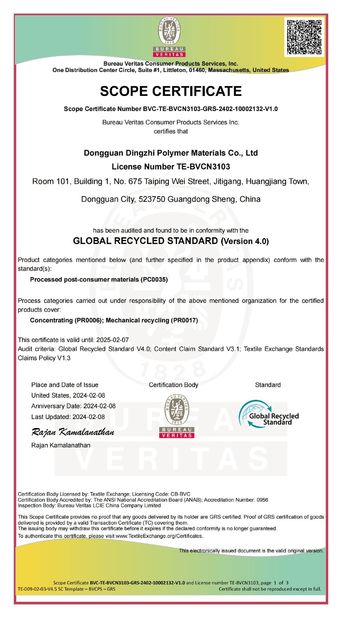
Imagine creating parts that can withstand impacts, flex effortlessly, and endure long-term wear—all produced on your desktop 3D printer. This is no longer science fiction but reality made possible by advanced TPU filaments. From shock-absorbing components to protective gear and custom gaskets, these materials offer an optimal balance between elasticity and strength while maintaining compatibility with most FDM printers.
TPU Filament: Where Flexibility Meets Durability
Thermoplastic Polyurethane (TPU) combines rubber-like elasticity with plastic-like strength. Renowned for its exceptional flexibility, abrasion resistance, and shock absorption, this material excels in applications requiring repeated motion, stretching, or compression while maintaining structural integrity. In essence, TPU brings 3D printed objects to life with properties surpassing traditional plastics.
Standard TPU vs. TPU CF FLEX: Choosing the Right Option
Manufacturers now offer two TPU variants to address different application requirements:
Standard TPU
This soft, highly elastic material proves ideal for components requiring superior grip or flexibility, such as smartphone cases or watch bands. The result is comfortable, slip-resistant protection that maintains its shape through daily use.
TPU CF FLEX
Enhanced with carbon fiber reinforcement, this variant delivers improved rigidity, dimensional stability, and wear resistance. The composite material withstands greater pressure, resists deformation, and offers extended service life—making it perfect for demanding applications like drone components or automotive parts.
Material selection depends on specific needs: standard TPU for maximum flexibility versus TPU CF FLEX for enhanced strength and durability.
Optimizing Print Parameters
-
Nozzle temperature: 220–250°C (adjust based on printer model)
-
Bed temperature: 40–60°C for improved adhesion
-
Print speed: 20–40 mm/s for optimal quality
-
Retraction: Minimize to prevent nozzle clogging
-
Drying: 4–6 hours at 50°C if moisture absorption occurs
Versatile Applications Across Industries
-
Wearable technology: Smartwatch bands, fitness trackers, shoe soles
-
Aerial equipment: Drone components, camera stabilizers
-
Automotive: Seals, gaskets, tubing
-
Industrial: Shock absorbers, grips, dampeners
-
Medical: Catheters, respiratory masks
-
Custom tooling: Specialized jigs and fixtures
Quality Considerations for TPU Filaments
-
Precision manufacturing with consistent diameter tolerances
-
Broad compatibility with mainstream FDM printers
-
Optimal spool winding to prevent tangling
-
Vacuum-sealed packaging to maintain dryness
-
Technical support for troubleshooting
As 3D printing technology advances, TPU filaments continue expanding creative possibilities while delivering industrial-grade performance for both prototyping and end-use applications.


 Your message must be between 20-3,000 characters!
 English